


Home Blog Page 9

Five Overlooked Signs of ADHD “the Inattentive Type”

People with inattentive ADHD are not lazy, oppositional, unwilling, or stupid, but they have a biologically based challenge with attending to the task. This makes them much more difficult to diagnose, and they have many overlooked symptoms. These individuals struggle to manage time and attend to details, among other symptoms. They may experience higher mental fatigue and forgetfulness over time. The Diagnostic and Statistical Manual of Mental Disorders (DSM-5) lists nine core symptoms of ADHD, out of which 5 are most overlooked and are described below,

Difficulty Completing Tasks:

People with inattentive ADHD are not lazy, but they are much less interested in completing uninteresting tasks. They find it difficult to remain focused on tedious tasks out of their league and are much less focused on them. They are creative but out of the box and tire more quickly in uninteresting tasks. Often, lack of focus does not mean lack of interest, but it reflects a learning disorder, a lack of clarity on what to do, and preoccupation with some other thing. Sadly, it is often confused with low intelligence and low memory and remains undiagnosed for a long. If you are suffering from this, it is advised to break each task into smaller blocks, which will help you stay focused for a long. The aim is to make a task seem more approachable and accessible.

Easily Distracted:

People with inattentive ADHD are more vulnerable to getting distracted and stray. This is called “going to Bermuda,” as the person may be sitting in a class or an office, thinking about something else, like the snowfall outside or the lunch. Their minds are naturally hard to remain focused on the task at hand. These people feel themselves a failure for their inability to focus, but the problem is not that you stray off, but that when you come back to thinking, you feel disorganized, lost, and confused. Then panic sets in, and this individual often wonders what they missed. An ally to come to their aid whenever they feel distracted may help these individuals focus better.

Trouble Listening and Following Directions:

The next overlooked sign of inattentive ADHD is trouble listening and following directions, which are often considered extreme carelessness and laziness. This is a neurological nuisance of ADHD, and their brains get overwhelmed quickly and shut down. These people have slow processing speed, making them slow to obtain and digest information and slow in learning and following directions. Again, this has nothing to do with intelligence, and simple visual cues, app icons, banners, vibrating watch, or phone reminders can help these individuals function much better.

Forgetfulness:

Forgetfulness is also an often-overlooked sign of inattentive ADHD, often due to low working memory. Working memory is a crucial executive functioning skill that acts like the computational space in your brain. A lack of working memory is a basic of all ADHD subtypes (inattentive, hyperactive, combined). Working and long-term memory pull up past experiences and apply them to our current situation, which is not the case in ADHD individuals. But we are lucky to live in a time where we have so much technology, which helps us in many ways. Alarms, sticky notes, a diary, notes on your phone, and reminders all help you overcome your forgetfulness if you have ADHD.

Disorganization:

Disorganization is the fifth most common overlooked sign of ADHD, and the individuals face difficulty organizing their stuff and being productive. They have no idea what is going on and how they can start managing their things in a better way. Reaching the end may seem impossible, and like many other individuals, it is difficult for ADHD individuals to keep track of stuff, and they probably lose or misplace items. You can manage this by designating each thing in a specific place and remembering what item sits where. For example, you can put your car keys in the same purse pocket each day. Second, you can use a self-smart system of organization, a system that makes sense to you or your child — not according to someone else’s advice.

References:

ADHD Inattentive Type: 5 Overlooked Signs of ADD (additudemag.com)

ADHD Inattentive Type: Symptoms, Diagnosis, and Treatment (verywellmind.com)

ADHD Signs Hidden in Plain Sight: Overlooked Symptoms (additudemag.com)

Understanding ADHD Inattentive Type (healthline.com)

Symptoms of Inattentive ADHD | Hill Learning Center (hillcenter.org)

HOW DO I CHANGE GEARS FROM HIGH SCHOOL TO UNIVERSITY, WHICH HAS NO STRUCTURE?

0

If you opened this, congratulations! You have successfully secured admission to a university. Now there must be some expectations from university life; some good and some bad. We are here to help you smoothen your transition from high school to university.

Now let’s talk about some of the aspects of university and university life to make you familiar with it.

  • Campus: Universities mostly have different departments and so different buildings. There are separate buildings for each department and administration. You must know about all the buildings especially those that concern you. Your department, admin block, libraries, etc.

Tip: Most universities give a campus tour before the start of the academic year. You must attend it and get yourself acquainted with the buildings at your university so that you are not late or lost on your first day.

  • Hostel life: It is most probable that your university is out of town and you have to move out of your house into the hostel of your university. Be prepared for this transition. A hostel requires you to be independent and self-sufficient.

Tip: Make a list of things you wish to be with you in a hostel and carry all the necessities into your new room. It is advised to take a tour of the new city or town that you are shifting to so that you can travel around easily whenever you need anything. You should know the way from hostel to university, nearby hotels and cafes, grocery stores, etc.

  • Clubs and societies: There are limited clubs and societies in high school and are mostly run under the supervision of teachers and staff. However, the in university there are lots of societies and clubs, some official, some unofficial, some are under the supervision of staff while some are completely led by student bodies.

Tip: Get to know about all the clubs and societies and then choose these wisely and according to your talents and interests.

  • Balance between social and study life: Most students think university life is all about chilling and partying around. Independence and relaxed study schedules, societies, and extracurricular activities often mislead them and they have to suffer academically.

Tip: Try to balance from the start. Get involved in different extracurricular activities but not at the expense of your studies. Socialize according to your stamina and schedule. Do not get astray from your main goal of achieving the degree.

  • Study pattern: Now comes the most important aspect of university life. In high school you are given assignments and deadlines, you are told about exact books and syllabus, and teachers are more involved with students. But in university you are expected to do everything on your own. Nobody forces you or keeps a check on you if you are keeping up with the curriculum cut or not.

Tip: Be aware of this transition in university life. You are now controlling your schedule and timing. Self-study is the key here but working smartly is the lesson. Do not randomly start studying. Make a plan or a schedule. Think of the time when you can concentrate on your work. Some students prefer waking up early while others may prefer staying up till late. Do not follow others blindly. Make your techniques and schedules that have worked in the past and are likely to work here as well.

  • Books: Unlike high school, you may not be told about any book in particular. While some professors recommend you a book, others may not. You may even have to consult different books for different topics. Choose your study material wisely as it can make a huge difference in your performance.

Tip: Check your courses, any recommended books by professors, notes from seniors, etc. Check libraries or book clubs if you can borrow books for the semester. Buying a ton of books and notes for every subject can turn out expensive and maybe a huge burden on your budget.

CONCLUSION:

University life is the most memorable time of any person’s life. While you must act promptly to make it interesting and worthwhile, you should also focus on your studies. Do not be afraid of making mistakes as they can be a great learning experience however, try to keep a balance between your social and study time wisely. 

[hubspot portal=”20238508″ id=”5a2a569c-8694-42f5-a223-2a5d4d89fd21″ type=”form”]

How our mood swings can impact us at work.

0

Mood swings or rapid changes in one’s emotional state result from environmental circumstances and others’ behavior. It may occur due to a physical or mental health condition or no apparent cause. General moodiness, to some extent, is typical in many individuals, but extreme mood changes are concerning for the person himself and those around him. This may harshly affect your connection and dealing with other people.

A frustrated and angry reaction after you miss an appointment or deadline or face some loss is understandable and expected. But mood swings may be caused by various internal and external factors and negatively affect one’s performance and those working around them. Some significant causes of mood swings are stress, anxiety, depression, postpartum depression, bipolar disorder, borderline personality disorder, pregnancy, seasonal affective disorder (SAD), attention deficit hyperactivity disorder (ADHD), disturbed sleep habits, and changes caused by the menstrual cycle.

As a manager, you must deal with many people, including your staff and clients. If you suffer from mood swings, you may treat your staff like crap and deal with them rudely. This affects your mental health and connections and decreases the productivity and functioning of your staff. They always seem to avoid you and are always searching for ways to which conferences they can avoid. You are letting your mood govern your emotions and actions, and that’s just not fair or effective. So, this must be dealt with, and you must find some ways to manage your mood swings, a few of which we’ll discuss here,

  • Don’t take it personally; whatever your employees and staff do and say they are doing for the company, that does not affect you personally. So, do not consider it personal, and keep in mind that there may be something going on in your mind, and it’s not the staff that is wrong. Try to engage as little as possible with your staff when you have mood swings and consider measures to manage your swings.
  • If your mood swings are becoming severe and getting out of control, the next thing you must do is go to your doctor and get help. There’s help available for you there, and your healthcare professional will rule out if anything physical or mental is going on with you.
  • Once physical causes have been ruled out, consider your mental health professional and therapy personnel to help you with your mental ups and downs. Treatment with therapy is another helpful tool and has been proved to help process emotions and coping skills better.
  • Stay socially connected, as being around friends and family will make it easier to manage your anxiety and depression. Social support is crucial in managing your mood swings and other mental conditions.
  • Food is fuel and eating junk food too much may also affect your mood and mind, so take some time to adjust your diet and make healthier food options. Do research and find healthier alternatives to what appeals to you.
  • Get regular exercise and make sure to get plenty of sleep. Exercise is beneficial for your mind, and that does not necessarily be heavy weightlifting in the gym. A light walk for half an hour in the morning is also beneficial. Besides, getting good sleep is imperative to your health and daily function and is a time to recharge your body and get away from fatigue and stress. Too much and too little sleep can negatively impact your body, so get 7 to 8 hours of quality sleep each night.

Managing mood swings is difficult, but you are not alone in this; reach out to other people facing the same condition, and you can exchange tricks to better manage your situation. Also, get help from a mental health professional, or coach, as they are there for you. Soon, you will notice betterment in your conditions and see yourself treating your staff and employees better.

References:

What are Mood Swings and How to Manage Them (centerstone.org)

What to Do When a Co-worker’s in a Bad Mood | The Muse

9 Ways To Deal With Difficult Employees (forbes.com)

How Managers Make Unwanted Employees Go Away – ToughNickel

How to Deal with a Boss Who Behaves Unpredictably (hbr.org)

Rapid Mood Swings: Causes and When to See Your Doctor (healthline.com)

Tips for Managing Mood Swings | Family Psychiatry of North Jersey (familypsychnj.com)

What is ODD? Oppositional Defiant Disorder.

Oppositional defiant disorder (ODD) is a condition in which a child, teen or adult acts toward people in authority and who displays a continuing pattern of defiant, hostile, uncooperative, and annoying behavior. This annoying behavior often disrupts normal daily functioning, in which the relationships and activities in the workplace, family and at school are included. They express their defiance by disobeying, arguing with friends or elders, and talking backing to adults, including their teachers and parents. When this behavior remains for a long time or lasts longer than six months, it might suggest that the child has ODD. Other disorders are also present in children and adults who have ODD, such as attention deficit hyperactivity disorder, learning disabilities, disorders of anxiety, and mood disorders such as depression.

What causes the oppositional defiant disorder?

A combination of biological, genetic, and environmental factors plays an essential role in causing oppositional defiant disorder, but the exact cause of ODD is unknown.

  • Biological: Defects or injuries in specific brain areas can cause behavioral disorders. ODD has been linked to neurotransmitters, the chemicals in the brain. Neurotransmitters in the brain help nerve cells to communicate with each other. If these chemicals are not working correctly or are out of balance, messages do not make it through the brain properly, leading to the symptoms. Mental disorders such as learning disorders, anxiety disorders, and depression are also present in children and teens with ODD.
  • Environmental:      A chaotic family life, substance abuse, a family history of mental disorders, and inconsistent discipline by parents.

Symptoms of the Oppositional Defiant Disorder:  

Sometimes it’s challenging to acknowledge the difference between an emotional child and one with the oppositional defiant disorder. At certain stages of a child’s development, it’s normal to exhibit oppositional behaviour. During preschool years, the signs of oppositional defiant disorder generally begin. ODD symptoms may develop later, but always before the early teen years. These annoying or rude behaviors cause significant impairment with family, school, social activities, and work. The children and teens who have ODD are frequently touchy and easily annoyed by others. They lose their temper quickly and become angry and resentful. They often argue with people in authority or adults. The children and adults who have ODD refuse to comply with adults’ requests or rules, blame others for / misbehaviour or mistakes, and deliberately upset and annoy people. When they are upset, they say mean and hateful things with obscene language.

How is Oppositional defiant disorder diagnosed?

As with adults, mental disorders in children are diagnosed based on signs and symptoms related to the disorder. If the symptoms are present in the child, an evaluation will begin by the doctor by performing a complete medical history and physical examination. The doctor will use various tests, such as blood tests. The doctor will also look for signs that occur along with Oppositional defiant disorder, such as the signs and symptoms of depression and ADHD. If the doctor cannot find any physical cause of the symptoms, the child is referred to the child and adolescent psychiatrist or psychologist. The Psychiatrist and Psychologist primarily design an interview to evaluate a child for mental disorder. The doctor must rely on the reports from the child’s teachers, parents, and other adults because children have trouble understanding their symptoms and explaining their problems to the doctor or Psychiatrist.

How is Oppositional Defiant Disorder treated?

Treatment of Oppositional defiant disorder is based on many factors, including the child’s age, the ability of the child to take part in and tolerate specific therapies, and how severe the symptoms are. Psychotherapy is designed to help the child to control anger. Cognitive behaviour therapy is the type of therapy used to reshape the child’s thinking to improve behaviour. Family therapy is used to improve family interactions and communication among family members. Parent management training is a specialised therapy technique; it teaches many ways for parents to change their child’s behaviour in the home positively. However, there is no approved medication to treat Oppositional defiant disorder. Many drugs might be used to treat other symptoms and conditions, but they worsen a child’s behaviour.

References:

Oppositional defiant disorder; https://www.webmd.com

ODD- (Healthline)

Oppositional defiant disorder (ODD); https://my.clevelandclinic.orgWhat is ODD? Oppositional Defiant Disorder.

Why do People with ADHD find it hard to look into people’s eyes?

ADHD

Attention Deficit Hyperactive Disorder is a medical condition that affects the emotion and behaviour of a person. It can manifest as a wide range of symptoms affecting a person’s everyday life. Lack of concentration, memory issues, planning and organisation failures, fidgety movements, behavioural issues like difficulty standing still or waiting in a queue, emotional issues, and whatnot.

ADHD AND EYE CONTACT

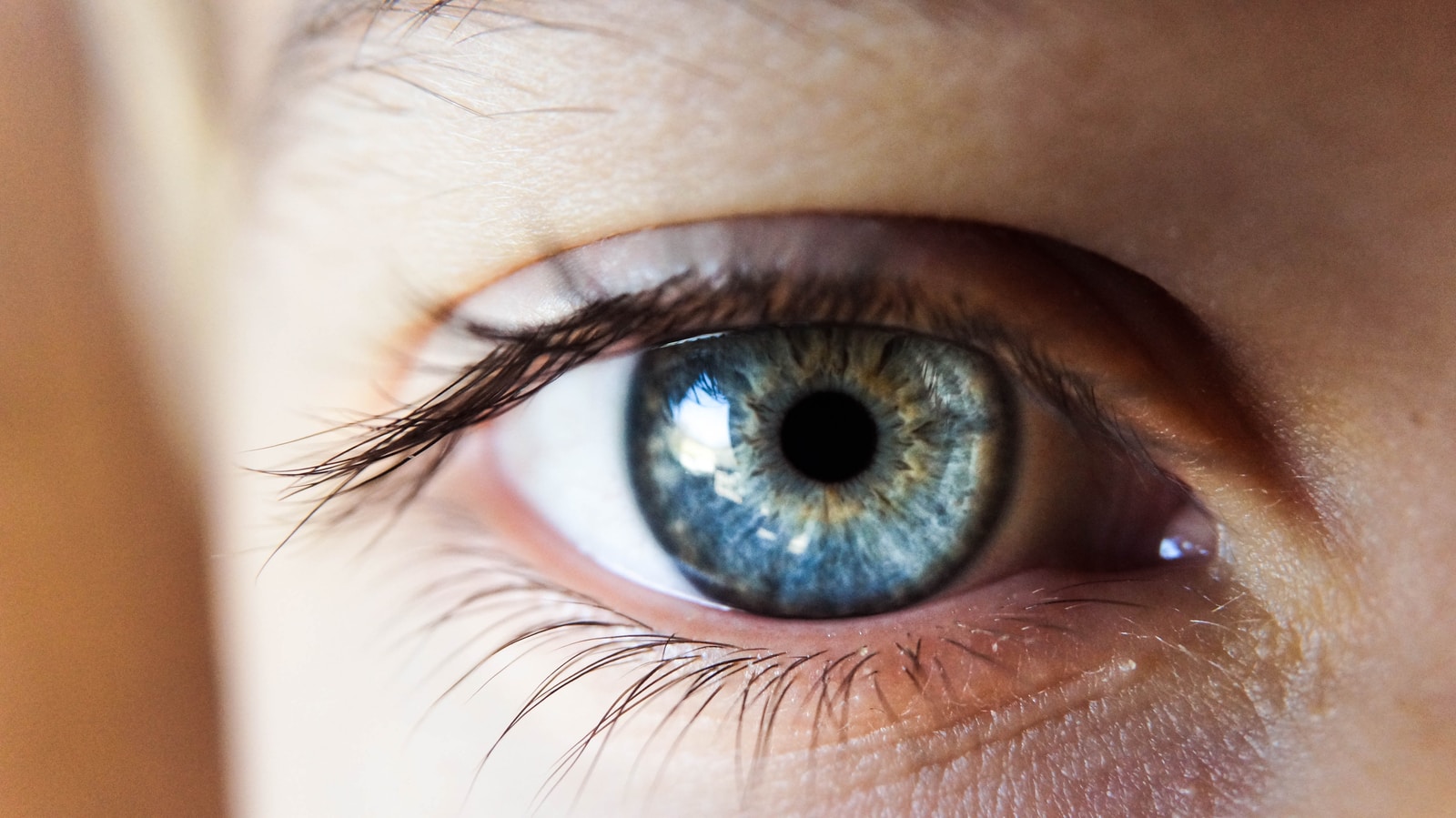
It is difficult for people with ADHD to pick social cues. It is difficult for them to pay attention to the person talking, empathize with them, or even make eye contact. Interacting with peers and having a normal conversation is a challenge for them as they get bored with it or their attention gets diverted to something else. Unfortunately, it is tough for them to make lasting relationships as they are not good socially.

DRAWBACKS OF LACK OF EYE CONTACT

Eye contact is one of the earliest developed social skills in a baby. A simple thing as eye contact can signify respect, attention, and interest in the person talking. So if your child is having difficulty making eye contact, shyness and introverted nature can be a reason but do think of ADHD if he is facing other issues.

·      MISUNDERSTOOD AS RUDE AND ARROGANT

Eye contact with the speaker can make you look as if you are attentive, respectful, and interested in them or their topic. Lacking this social skill will put the exact opposite impression. Imagine giving a job interview and coming across as rude and arrogant. This simple inability to look into another person’s eye can cost you the excellent job you deserve.

What if your job requires you to be social like a doctor or salesman? Lacking this social skill can affect your performance as you may be misunderstood as a shy, introverted person.

·      LACK OF EMPATHY

One of the primitive emotions of human beings is empathy. Understanding other people’s feelings and acting appropriately are critical factors in maintaining cordial relationships. A simple act of eye contact is a great way to depict your intentions. Lacking the ability to make eye contact can come across as indifference.

·      EFFECT ON RELATIONSHIPS

Eye contact is an amicable way of befriending people. You may come across as an uninterested and challenging person. It may make your social life miserable. This can take a toll on your closest relationships.

WAYS TO IMPROVE EYE CONTACT

It is essential to mention here that forcing someone to improve or scolding your child is not the solution. Gentle advice and a sympathetic approach are the keys. If an adult faces difficulty, he must mention this to close ones and in job interviews so that people do not misunderstand. While with a child, you must help him get better at making eye contact.

·      SPOT ON FOREHEAD

Looking straight into the eyes can be difficult, so why not start with looking at a point on the forehead in between the two eyes. It can be a great starter, and with constant practice, you may be saved from several misunderstandings. When and if possible, move on to other strategies.

·      TV CHARACTERS

Practicing eye contact with TV characters saves you from embarrassment, and you can practice alone in your room. You are avoiding the proximity with a person and mental pressure as well. You can continue your practice at your own pace. People looking directly at the camera like news anchors or hosts of shows are good for practice.

·      MIRRORING BODY LANGUAGE

Copying the other person’s body language is called the mirror effect. You can make eye contact when doing so, and you look away when they are away. This can be a great way to learn the balance of how and when to look into other people’s eyes and when to the lookout.

PRACTICE MAKES IMPROVEMENT

Keep practicing all these strategies or other techniques of your own, whatever works best for you. Remember, it is not a single-day task. Do not be disheartened if you are not making progress as you imagined. With practice and patience, every skill can be learned. Just do not give up. If some of your dear ones struggle with eye contact, help them and be kind towards them.

ADHD COACHING

ADHD is a medical condition that can not be cured. Medications, coaching, and behavioral therapy make the most effective solution. Coaching the parents about the signs and symptoms of ADHD so they can make it easier for their children. Children with ADHD can be misunderstood as rude, lazy, uncultured, and obstinate. They need to be treated gently and with care. Children should also be coached about neurodiversity and how they can improve their lives over time.

How to manage your new University Life?

Managing your school life is easy in the early years, as you do not have much to do, and there is less study burden. You usually have plenty of time to study and for your leisure activities. But that does not remain the case always, as you find more study burden and less time over the years. As the years go on, or the exams are approaching, you find it challenging to manage study and leisure activities side by side effectively. Unless you follow an effective time management plan, you miss one of them both.

Many students start the new semester with high expectations of studying hard, being successful, and finding an outstanding balance. But often fail to achieve it, and the exam season comes very soon unless they follow a plan. For effective time management, you must follow it on a daily, weekly, and monthly basis, with following time management tips the most effective.

List the To-do’s/ Goals:

The first stage of improving your time management skills is to list down all the tasks and priorities you must do and note down any work shifts if you are doing part-time. This may seem obvious, but many students do not make a list and leave their essential tasks for the very end. You must also give some nourishment to the brain, and we are not talking about snacks or food; it’s about relaxing activities, exercise, and play. List down all your to-do’s and note down how much time you need to give each part. This will help you manage your time according to your priorities.

Prepare a Weekly/Monthly Schedule:

Whether it’s a calendar, a diary, or a planner, find a time management tool for yourself, and add your list of to-dos according to your priorities. You can find many time management apps for this purpose. Also, note down the hours that you are most active and allot those hours to your study. Also, allocate some time to sports and exercise to keep you occupied. Along with all this, do not compromise your sleep, as a sound sleep of 7 to 8 hours is essential for the good functioning of a person.

Be Flexible but Realistic:
Allot a pre-planned set time for your studies, which may vary from 7 to 10 hours according to your syllabus. Studies show that a student needs to dedicate around 35 hours to their studies in a week, so if you spend 20 hours in seminars and tutor-based learnings, you must have 15 to 20 hours for independent study. Also, keep in mind that things usually take longer than expected, so keep a bit extra time margin for each deadline if your work drags a bit, but do not do it too often.

Allow time for planning and create study blocks:

Another practical thing is to give some time to research and plan what you will study and study. You must also know that adequate research and planning help you avoid repetitions and re-loading excessive information. The effective way is to list down all the points you want to know, research, and find out about them. After that, make study blocks of your total time. Researchers have proved that studying in blocks is more effective and rewarding than in one go. So, if you are studying 8 hours a day, divide it into blocks of 2 to 3 hours and take little breaks between these blocks.

Find a dedicated study space:

Some students spend hours looking for somewhere quiet to study. A key to the ongoing effective study is to allow a proper analysis away from distractions and where you can concentrate properly. You can change your study space when you see feasible but find somewhere quiet that works for you.

Avoid Procrastination and Distraction:

A way to avoid procrastination is to think of different places you have been and out of them where you have been the most distracted and what made you the most focused. Also, find out ways to make your study somewhat enjoyable and interesting. Remember that what works for one person may not work for you and vice versa. For example, studying in groups limits the productivity of some individuals, while it can increase the studying capability of others.

Evaluate your Measures:

Has your schedule been effective, and are you able to better manage your study? Evaluate yourself from time to time, and if you are not getting better results, change your technique. Constantly reviewing and reassessing your schedule can help you complete any university tasks effectively and have leisure time to relax and play.

References:

How to manage time? | Top Universities

School-Life Balance | Johns Hopkins Student Assistance Program (jhsap.org)

Using Effective Time Management To Improve Your Studying (educationcorner.com)

Managing Your Time and Study Environment (bucks.edu)

Time management skills that improve student learning (acc.edu.au)

13 Productive and valuable things to do in your free time | Adapt – the brilliant study planner designed for students (getadapt.co.uk)

Why The Anger issues with ADHD?

0

Anger is a part of the natural emotional spectrum that has helped humans and animals survive and enables them to confront difficult situations, make changes, and defend essential boundaries. But as normal as anger can be, it can disturb your healthy life, relationships, and social interaction with other people. Many men with ADHD have uncontrolled emotions, especially anger, that threatens their friendships, home life, and job. Research in recent times has suggested a strong emotional component of ADHD, and when these emotions overwhelm, the individuals experience an anger outburst. Anger issues in ADHD males can be due to many reasons, such as a feeling of failure, which makes them angry and frustrated. Expression of anger may stem from feelings of not being loved, rejected, or not being valued, and if these feelings are not released slowly, they may cause an anger outburst.

Anger may hurt your relationships with your friends and family and impedes your ability to be happy. It also compromises our social skills that are helpful in a great relationship and sends our marriage and relationship. These strained relationships then result in increased stress and non-productivity. This is a natural reaction to hurt and betrayal and is often due to outbursts of hidden feelings. Men often hide their feelings for long because they are taught that if they show any emotion. These feelings can be so deeply hidden and hurting that they cause extreme bursts of anger and frustration when they get out of control. The critical factor of anger is that if it is out of control, it hurts one’s socially, mentally, and physically. The goal of anger management in ADHD individuals is to find ways to relieve factors that cause anger and problems related to it.

What is the link between ADHD and Anger?

Men with ADHD experience emotions in a much more intense manner than their non-ADHD peers, and what’s more, the comorbid conditions such as aggression, oppositional defiant disorder (ODD), and medication side effects may make them much more likely to feel ill-tempered, aggressive, and impatient. Impulsivity is common in ADHD and is one of the significant reasons for anger. The impulsive nature means that if an individual feels angry, they communicate it that way instantly, unlike non-ADHD individuals who may try to alleviate it a little. Another reason is the emotional sensitivity in ADHD, which makes it hard to regulate those feelings and express an extreme way of anger or crying. In ADHD, your mood changes quickly throughout the day, and you can have many episodes of happiness, sadness, and frustration in one day. This causes ADHD males to be much more susceptible to anger issues. Mental disorders such as anxiety, bipolar disorder, depression, frustration, and OCD, are all much more common in ADHD and cause anger outbursts. These individuals experience low self-esteem, making it difficult to achieve and feel proud. They instead think devalued and isolated, which can also lead to you feeling anger.

How to Manage Anger in ADHD males?

Several strategies and treatments help you learn ways to manage your anger.

  • Stimulant medications (SSRIs and antipsychotic medications) used to treat ADHD may also help lower irritability and relieve anger.
  • Self-regulation training can help you learn to avoid or remove yourself from situations that cause anger and set boundaries to prevent conflict and frustration.
  • Cognitive-behavioral therapy (CBT) is a psychotherapy approach in which a therapist helps you monitor your level of anger and employs relaxation techniques according to it.
  • Behavioral training can equip you with skills known to improve your compliance and lower the level of stress, which will also result in low anger outbursts.
  • Other anger management methods in ADHD males are mindfulness meditation, exercise, relaxation techniques, yoga, and medication.

References:

ADHD and Anger: How They Are Connected (healthline.com)

Children With ADHD and Anger (verywellmind.com)

Anger Management Tips for Men with ADHD (additudemag.com)

Anger Issues and ADHD: Emotional Dysregulation, DMDD & Bipolar Disorder (additudemag.com)

Is ADHD a Mental Illness? Differences in Learning and Thinking in Society.

Is ADHD a Mental Illness? Differences in Learning and Thinking in Society.

Attention deficit hyperactivity disorder (ADHD) is a condition of lack of focus, overactive, difficulty controlling behavior, or a combination of all these. A person diagnosed with ADHD is out of the normal range of a person’s age and development. What causes ADHD is not yet apparent, but a combination of genes and environmental factors may play a part. Technically speaking, yes, it is a neurodiverse illness and a complex term that can confuse many individuals. Mental illness is a broad term that comprises many conditions affecting one’s mood, thinking, and behavior. The three main symptoms of ADHD are impulsivity, hyperactivity, and inattention, which influence mood and behavior and make ADHD fall under mental illness. ADHD is rarely described as a “mental illness”; instead, many practitioners describe it as a “behavior disorder.” It may also be defined as a learning and thinking difference that can affect all areas of learning. So, although ADHD falls under the umbrella of “mental disorders,” it is rarely described as one.

Still, ADHD being a mental illness, is tough to absorb for many parents, and they may worry that their child will be stigmatized. Heredity, stress, and environmental factors all play a part in mental illnesses, and it has become a significant health concern, even for kids. Mental illnesses are much more common, and so is the stigma around them, which will only decrease the more we learn about them. Parents are worried about the labels, but the main point is that the terms describing ADHD do not matter; the main aim is to get the right help for your child. After you’ve found out that your child has ADHD, you can take steps to manage it and work with your child’s doctor and the school to develop the best solution for it. Getting the correct information, support, and management for ADHD children is the key to a better life.

What is a Mental Disorder?

The terms “mental illness,” “mental disorder,” and “mental health conditions” are used interchangeably and provide no separate definition for a mental disorder. Those with a mental illness or a disorder have the right to choose what they call it, as there is no clinical difference between these terms.  The Diagnostic and Statistical Manual of Mental Disorders Trusted Source (DSM-5) has described the terms and the criteria for certain mental health conditions and is a standard guideline for many clinicians and professionals. In simple language, mental illness is a condition that affects one’s mood, thinking, and behavior.

What is ADHD, and How is Living with it?

ADHD is the most frequently diagnosed mental disorder among children. As the name indicates, it is a disorder that is characterized by an inability to focus on something or having a restless heart meaning the inability to rest for a while. A person with this condition can have both types of symptoms. It is predominantly found in boys rather than girls. It occurs in childhood and continues into adulthood also. This is a severe disorder that can impair the quality of life severely. It affects daily life routine, work, and social life badly.

Living with a person or child with ADHD can be exhausting, especially for a mother. There’s a little we can do about them, and they won’t improve at all. At times, they can be very irritating, but we need to know that they don’t stop to think before reacting to some situation in these situations. We have not only to work on these individuals but also on our behavior. There are some very effective life hacks about that, which are of much help.

What are the differences in learning and thinking?

ADHD is a neurodevelopment condition that causes changes in attention, behaviour, and activity levels, including impulsivity and hyperactivity. Differences are noted in brain structure, development, and function of people with ADHD who haven’t. These differences help in understanding and treating common behavioural patterns in ADHD. ADHD individuals also struggle with everyday thinking and learning and cannot optimally complete their tasks and deadlines. They have an executive function problem, but it is not of that extent to be diagnosed as a learning disability. In children, ADHD can also cause delayed thinking and learning patterns development.

References:

Psychiatry.org – What is ADHD?

Is ADHD a Mental Illness | Understood

Is ADHD Considered a Mental Illness? (healthline.com)

ADHD | NAMI: National Alliance on Mental Illness

ADHD: Symptoms, Types, Testing, and Treatment (webmd.com)

ADHD and mental health – Mind

Living with ADHD; Strategies for Psychological Wellbeing

Living with ADHD; Strategies for Psychological Well Being

After diagnosing attention deficit hyperactivity disorder (ADHD), you might wonder what the next steps are. Most people think living with ADHD means adopting new tools to help manage their symptoms, which allows them to grow in their emotional health, careers, and personal relationships. Everyone has a different experience of ADHD, which is unique. There are many ways to control ADHD or manage the symptoms, and what works for one person might not work for another person. Your symptoms can lead to trouble meeting deadlines, extreme procrastination, and impulsive behavior. You may feel that family and friends don’t understand what you are against. People with ADHD can improve their daily habits, learn to recognize and use their strengths, maintain organization, and interact better with others. Helping yourself may also include educating others to help them understand what you are going through.

How does it feel to be newly diagnosed?  

Many people are astonished by their emotions when they are diagnosed with ADHD. Common emotions include;

  • Relief: When you get an ADHD diagnosis, you feel relieved to have a label that finally describes what you are experiencing. You feel comfortable knowing that your symptoms stem from a diagnosed condition and not bad traits.
  • Sadness: You feel sad that you did not get diagnosed earlier. You may feel sad by thinking about what your life might have been like if you did not have ADHD. You also feel sorry for your younger self, who struggled in life with undiagnosed ADHD.
  • Anger: You don’t want ADHD. You feel angry, or you may be frustrated toward teachers, friends, or parents who always blamed you for your symptoms.

Tips for living with Adult ADHD:

Sometimes it can be challenging to live with ADHD. Therefore, many adults can manage their symptoms of ADHD effectively and lead productive, satisfying lives. It depends on the severity of your symptoms and whether you need help from a doctor right away or not. You can make personal adjustments to get a handle on your symptoms.

Exercise Regularly; Regular exercise may help you handle aggression and extra energy in a healthy, positive way. Practice can also be critical for maintaining good health, other than soothing and calming your body.

Get sufficient sleep; It’s very important or necessary for adults to get at least 7 to get 8 hours of sleep every night. It is difficult for you to focus, maintain productivity, and stay on top of your responsibilities by lack of sleep. You must talk with your doctor if you are having trouble sleeping.

Improve time management skills; stay organized, and set deadlines for everything, including seemingly small tasks. Alarms and timers are also helpful, so you don’t forget about specific jobs. Manage your time to prioritize essential tasks. It will further set you up for success.

Therapy for ADHD; Therapy for ADHD can be beneficial. It includes education about the disorder and psychological counseling. Therapy can help learn different ways to manage impulsive behavior. It is helpful to boost your self-esteem. Therapy may also be beneficial in improving relationships with your family, co-workers, and friends. It also creates strategies for maintaining your temper. Cognitive behavior therapy helps you manage your behavior and change negative thoughts into positive ones. Cognitive behavior therapy can be done individually or in a group. Marital therapy can help loved ones to manage the stress of living with someone who has ADHD.

Medications for ADHD; Medications help to treat symptoms of ADHD by boosting and balancing levels of brain chemicals called neurotransmitters. Stimulants used to treat ADHD include dextroamphetamine, lisdexamfetamine, methylphenidate, etc. Some other medications that can treat ADHD contain atomoxetine and some antidepressants; they work slower than stimulants. The type of medication and its dose varies from person to person. It may take time to find what’s best for you.

Finding an ADHD coach; An ADHD coach can also help you treat the symptoms of ADHD. A coach provides individuals with strategies to overcome challenges and accomplish their goals.

Avoid multitasking; Some people thrive while multitasking, but many of us do not. Eliminate the distractions around you that attract you to doing other tasks. For example, if you are reading one subject, pack away your books on different topics. If you are focused on cooking, put your phone away.

References:

What It’s Like to Live A Day with ADHD (healthline.com)

Living With ADHD: Strategies for Well-Being (verywellmind.com)

Facts And Real Confessions About Living With ADHD (additudemag.com)

How ADHD Affects the Many Areas of Your Life (webmd.com)

The effect of ADHD on the life of an individual, their family, and community from preschool to adult life | Archives of Disease in Childhood (bmj.com)

Picky Eating and ADHD, are They Linked?

Picky Eating and ADHD, are They Linked?

Picky eating is when a person refuses to eat certain foods or eats the same food repeatedly. This condition is usually present in toddlers and young children, and it worries their parents if their child is getting enough nutrition or not? Attention Deficit Hyperactivity Disorder (ADHD) is a condition of trouble paying attention, controlling impulsive behaviors, or being overly active. It is one of the most common neurodevelopmental disorders in childhood, and due to its link with mental function and wellbeing, it is often seen as linked with picky eating. Studies have shown that children with ADHD show low levels of dopamine activity and are more predisposed to craving sugar, making them avoid many nutritious foods such as vegetables and fruits, as they do not deliver as much sugar as the ADHD individual craves.

How picky eating and ADHD are linked?

Attention Deficit Hyperactivity Disorder is a neurodiverse disorder that includes problems in focusing on specific tasks, inattention, hyperactivity, and impulsivity. Personals with ADHD are inattentive or hyperattentive most of the time, and another habit that they exhibit is being picky about certain things, such as their food. A study looked at different eating habits and how they are linked with psychological issues such as ADHD.

According to a study, there is a link between selective eating disorders and psychological disorders, and the more severe the one is, so is the other. Picky eating has also been seen to have an association with anxiety and depression. Besides, picky eaters can be of various categories, like some get afraid of the idea of eating in a restaurant than inside their house, and most of these are those with ADHD. Although a simple picky eater avoids a portion of food and eats the rest, those with ADHD do not have this simple scenario, as they not only separate anything on their plate but also become hyperactive, impulsive, and irritable.

This can lead to an exaggeration of symptoms for many days. These children are very much sensitive to anything and tend to avoid any nutritious foods, such as vegetables and fish; instead, they favor food that contains sugar. Parents need to be very vigilant when children become picky eaters since that selective eating can signify something serious. Picky eaters are commonly observed during childhood, as they tend to limit their amount of food, particularly vegetables, and are reluctant to try new foods. This behavior leads to anxiety for the parents, as it requires providing a different meal for the ADHD child, a different meal from the rest of the family. That is why they tend to struggle in feeding special meals to their picky eater child and are often concerned about the variety of nutrients their child might be getting. Selective eating also leads to an unhealthy composition of nutrients and halters proper neurodevelopmental growth.

Gut-Brain Connection; Why is Picky Eating a problem, in particular for those with ADHD?

Picky eating with ADHD is a concerning problem because the child is not getting enough nutrition from the variety of generally needed foods. Moreover, picky eating starts with a stressor such as inflammation, zinc deficiency, gut breakdown, etc., but it can become a vicious cycle later. For example, zinc deficiency can lead to picky eating, but then the child develops a habit of eating only those selective foods, which makes picky eating even worse, and the cycle continues. Besides, ADHD is not only about the brain, but it is also connected with the gut via the gut-brain connection, which means that our brain and gut are linked, and if the gut is not functioning well, the brain will also not. This leads to even more worsening symptoms of ADHD.

How can picky eating be managed? What should parents do?

When gut health improves, so does the brain, and a reduction in ADHD symptoms is seen. Removing inflammatory foods such as soy, dairy and gluten, from your child’s diet and replacing these with nutrient-rich fruits and vegetables results in an improvement in ADHD symptoms happens. Of course, dealing with picky eaters is not an easy task, but it is possible. Here are some of the tips that families of picky eaters can use to manage better,

  • Only introduce one new food at a time, as multiple foods can become overwhelming for the child. Also, pair new food with the one that the child is already familiar with to avoid chances of weight loss and nutrition deficiency.
  • Do family food challenges, write down new foods to try, and get your child to participate in that challenge. You can also go for a reward option for your child.
  • It takes a lot of attempts to get a child’s taste buds to adapt to new flavors, so be patient in that regard.
  • Try new foods when your child is hungry, so they may be more open and adapt to new foods.
  • Try being calm and patient at the dinner table and consider bringing some joke or funny moment to jolly the mood.
  • Reduce inflammation in the body, making your child better try new things and not get annoyed. To start with, replace the top inflammatory foods like gluten, dairy, and soy with foods like whole fruits, vegetables, and healthy fats.

References:

Is Your Child a Picky Eater with ADHD? (additudemag.com)

Picky Eating and ADHD – PTS Coaching

Picky Eaters with ADHD: A Parent’s Guide To Mealtime (additudemag.com)

Children with ADHD and Picky Eating: Things in Common (adhdcentre.co.uk)

Children with ADHD: Tips for Picky Eaters – HealthiNation

Picky eating and adult ADHD – do you see any connection? : ADHD (reddit.com)